Henan Zhonglian Huazhu Machinery Equipment Co., Ltd.
Many AAC investors begin with blocks because the product range is familiar, the handling route is comparatively straightforward, and regional distributors can often develop the market step by step. Later, as building systems become more industrialized, the same investor may want to add reinforced wall panels, partition panels or other project-specific AAC products. At that point, the key question is not simply whether one more machine can be installed. The real question is how to plan an AAC panel production line that can share suitable processes with the block line while protecting product quality, factory flow and future investment.
A flexible project can reduce unnecessary first-stage spending, but flexibility must be designed into the plant from the beginning. Land, building columns, crane coverage, reinforcement preparation, casting, cutting, autoclave logistics, panel handling and finished-product storage all influence whether a later expansion will be practical. This guide explains how investors in Kazakhstan, Russia, Central Asia, Southeast Asia and Africa can evaluate a combined or phased block-and-panel factory without assuming that every project needs the same configuration.
HUAZHU Machinery designs and manufactures complete AAC production line solutions with project capacities from approximately 50,000 to 500,000 m³ per year. The final equipment scope is selected according to the customer’s products, raw materials, target capacity, available land, utilities and preferred automation level.
Why block-to-panel expansion requires a project strategy
AAC blocks and reinforced AAC panels share the basic autoclaved aerated concrete process: raw-material preparation, batching, mixing, casting, pre-curing, cutting and autoclaving. That shared process can make a combined factory attractive. However, reinforced panels introduce additional operations that influence both equipment selection and daily production management.
Before casting, the factory must prepare the required steel reinforcement. Depending on the approved product design, this work may include straightening and cutting steel wire, welding mesh, applying corrosion protection, assembling reinforcement cages, checking dimensions and positioning the cage accurately in the mould. After curing, longer panel products also need handling methods that protect edges, surfaces and lifting points.
This means that a block plant cannot become a reliable panel plant through a name change or one isolated equipment purchase. The expansion plan should connect product engineering, reinforcement, production scheduling, handling and quality control. Investors should first define which panel products the market requires and then confirm the relevant local product standards, structural design responsibilities and certification process.
Decide whether to build a combined plant or expand in phases
There are two common planning routes. A combined plant installs block and panel capability within the initial project. A phased plant begins with blocks and reserves the space, interfaces and utility capacity required for panel equipment later. Neither approach is automatically better; the correct choice depends on market readiness, financing, technical staff and the expected product mix.
A combined first-stage project may be suitable when the investor already has confirmed panel customers, approved product specifications and a team capable of managing reinforcement and panel quality. It can also be useful when the factory will supply a building-system business rather than sell only standard masonry blocks.
A phased investment may be more practical when block demand is already visible but panel demand still needs to be developed. The investor can establish raw-material control, production discipline and local distribution before adding the more specialized reinforcement and panel-handling sections. The important point is to reserve real expansion capability, not just an empty rectangle on a drawing.
- Reserve a practical area for reinforcement preparation, coating, cage assembly and storage.
- Check whether building height, columns and crane coverage can support future equipment.
- Keep access routes open for delivering and installing later-stage machinery.
- Review whether electrical, compressed-air, water and control systems can be expanded.
- Plan finished-panel storage and truck loading separately from high-volume block dispatch.
- Confirm how future work can be completed without stopping the operating block line for an unacceptable period.
Separate the shared process from panel-specific operations
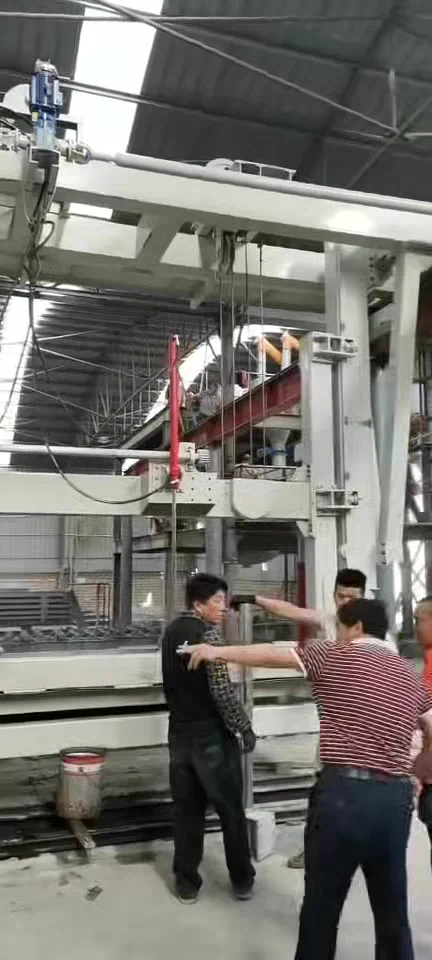
A useful feasibility study divides the project into shared systems and product-specific systems. Raw-material receiving, grinding or slurry preparation, batching, mixing and steam supply may support both product types when they are sized and configured correctly. Casting, pre-curing, cutting and autoclaving can also form part of an integrated process concept, but their capacity and scheduling must match the selected mould cycle and product mix.
Panel-specific equipment normally begins with reinforcement preparation. The exact system depends on panel dimensions, reinforcement design and automation requirements. It can include wire processing, mesh welding, anti-corrosion treatment, drying or preparation stations, cage assembly, transport and positioning equipment. The layout must prevent unfinished reinforcement from blocking the main production route and should allow operators to inspect cages before casting.
Downstream handling also changes. Standard blocks can often be separated, grouped, clamped and packaged in compact units. Long reinforced panels require suitable lifting, turning, separation, transfer, stacking and protection methods. The equipment must match panel length, thickness, orientation and lifting requirements. These details should be confirmed during technical design rather than left to the installation stage.
Make reinforcement quality part of production control
For a panel line, reinforcement is not an accessory process. It is part of the product. Dimensional accuracy, weld quality, corrosion-protection coverage, cage geometry and positioning all need controlled procedures. The factory should define inspection points before the cage enters the mould because a hidden reinforcement error cannot be corrected conveniently after casting and autoclaving.
The project team should prepare product drawings and reinforcement schedules that match the intended market. Local engineering and certification requirements may differ, so the equipment supplier, product designer and investor need clearly defined responsibilities. HUAZHU can configure the production equipment around confirmed product information, while the customer should arrange the required local structural approvals and product compliance process.
Operators also need training that goes beyond normal block production. They should understand reinforcement preparation, identification, storage, cage positioning and traceability. Clear batch records help connect raw materials, reinforcement, casting, cutting and autoclave cycles when the quality team investigates a finished product.
Check cutting and handling for longer products
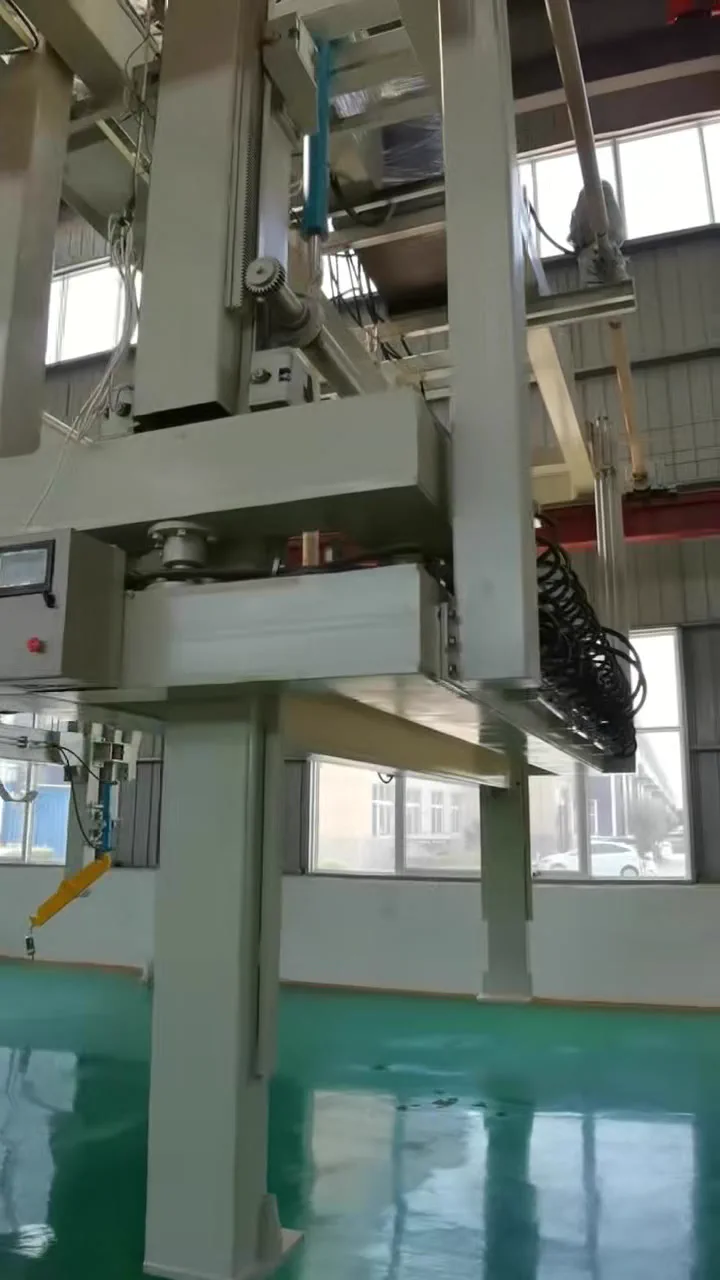
Cutting accuracy matters for both blocks and panels, but longer products can make alignment, support and handling especially important. The green cake must reach the cutting section in a stable condition, and the cutting sequence must match the required dimensions. Wires, frames, drives, turnover devices and transfer equipment should be considered as one system.
The plant team should also plan how to handle cutting waste, rejected green cakes and product changeovers. If block and panel production share a cutting route, production scheduling needs enough time for mould preparation, dimension changes, cleaning and inspections. A nominal machine capacity is not the same as the sustainable output of a mixed-product factory.
For that reason, investors should prepare a realistic sales mix rather than ask the supplier to assume that every cubic metre will be the same product. Expected block sizes, panel dimensions, weekly production sequence and required inventory all influence the practical line balance.
Coordinate autoclave cycles and factory logistics
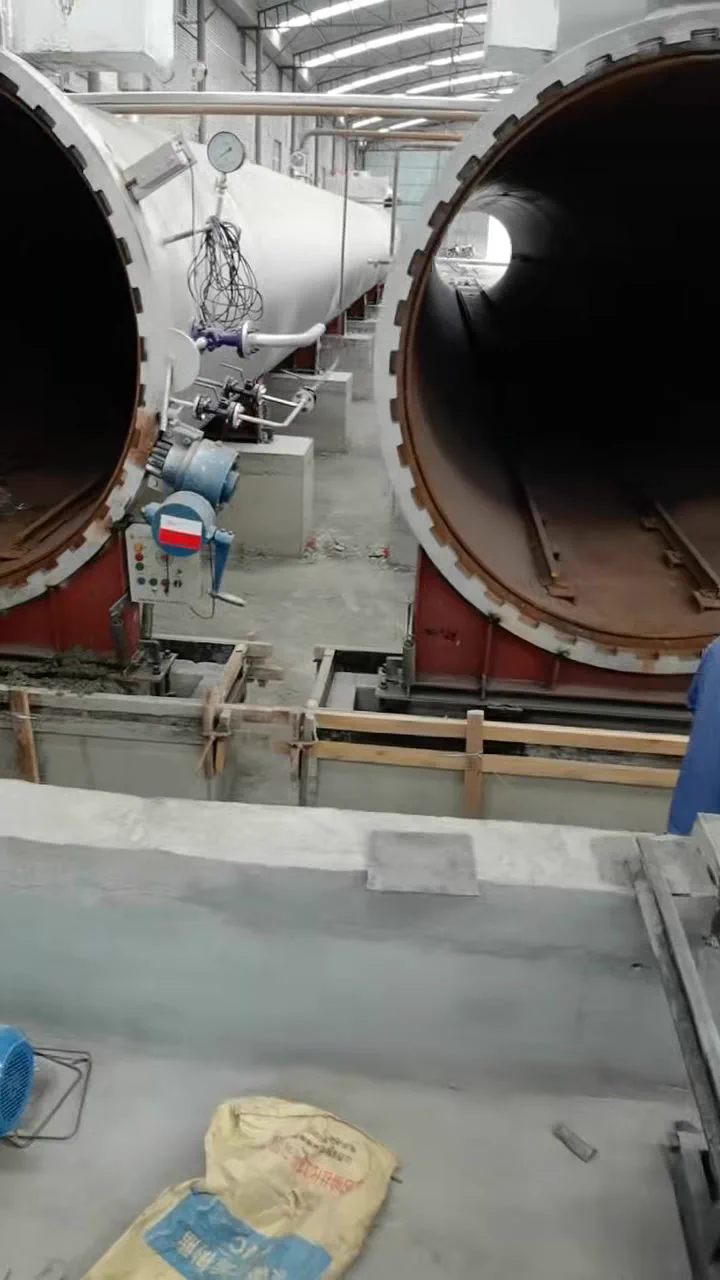
Autoclaving is shared by blocks and panels, but the loading plan must be coordinated with casting, cutting and finished-product handling. The project team should review autoclave dimensions, curing-cart arrangement, rail alignment, transfer routes, door clearance and safe service access. The purpose is to maintain a predictable flow from cut green products to cured finished products.
Mixed production may require more careful scheduling because product dimensions and loading arrangements can differ. The control plan should identify how products are grouped, recorded and routed after curing. Bottlenecks often appear outside the autoclave itself—at transfer tracks, waiting areas, separation stations or finished-product storage—so the whole route should be reviewed.
Cold-weather markets also require practical building and utility planning. The design should reflect the real project location, local climate, fuel availability and construction standard instead of relying on a generic regional assumption. The AAC plant layout should protect process continuity while preserving maintenance and emergency access.
Plan finished-panel storage before construction
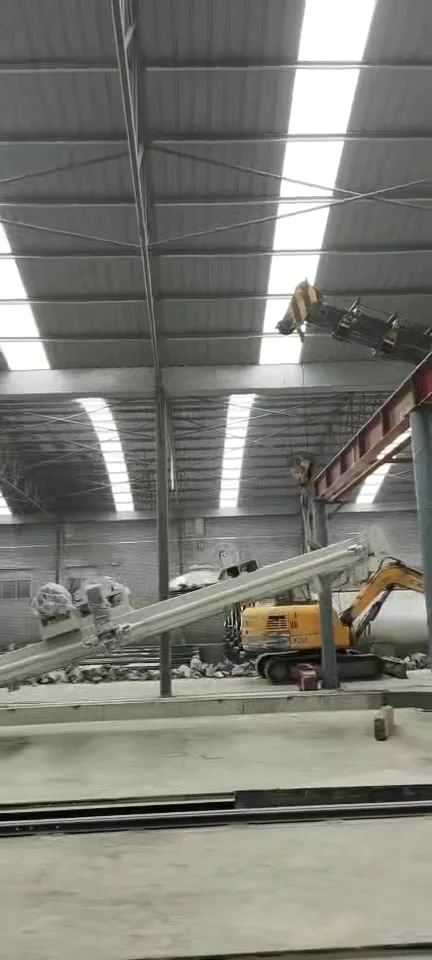
Finished panels occupy and move through the factory differently from standard block packs. The storage yard should support the approved stacking method, product identification, quality inspection, vehicle access and protection from accidental impact. The loading route should avoid unnecessary crossings with raw-material trucks and block dispatch.
Storage planning is also a commercial issue. Panels may be manufactured for specific construction projects, dimensions or delivery sequences. The factory therefore needs a clear method to identify products and assemble orders. Producing panels faster than the yard can classify, protect and load them will not improve project profitability.
When land is limited, investors should compare the value of extra production equipment with the value of adequate circulation and storage. A balanced plant may outperform a theoretically larger line that is repeatedly interrupted by handling congestion.
Include expansion costs in the first investment model
A phased project can control initial capital expenditure, but only if the first-stage design avoids expensive reconstruction. The initial AAC plant investment model should identify what must be completed now and what can reasonably be added later.
Items that may need early provision include land, foundations, building span, crane rails, electrical rooms, utility corridors, drainage, access roads and control-system interfaces. Panel-specific machinery may be purchased in the second stage, but changing the main building or relocating an operating line can cost more and create a long production interruption.
The quotation should therefore distinguish current supply, reserved interfaces and future optional equipment. Investors should also compare installation services, commissioning scope, operator training, spare parts and local contractor responsibilities. A low equipment price does not show the total project requirement unless the supply boundary is clear.
Information needed for a block-and-panel proposal
A useful technical proposal starts with a specific project brief. Before requesting equipment selection and pricing, prepare the following information:
- Project country and proposed factory location;
- required annual capacity and working schedule;
- planned percentage of blocks and reinforced panels;
- block sizes, panel dimensions and intended applications;
- available sand or fly ash, lime, cement, gypsum and other raw-material data;
- available land dimensions, existing buildings and truck entrances;
- electricity, water, steam or fuel conditions;
- preferred automation level and future expansion timing;
- required installation guidance, commissioning, training and after-sales support.
Raw-material laboratory testing and confirmed product specifications should be completed before final process parameters are approved. This protects the investor from selecting equipment around assumptions that later prove unsuitable.
How HUAZHU supports flexible AAC factory development
HUAZHU can support customers from the early planning stage through equipment manufacturing and plant start-up. The service scope can include production-line configuration, process coordination, factory layout, equipment manufacturing, installation guidance, commissioning, operator training and long-term after-sales support.
For a phased project, HUAZHU can discuss which systems should be installed initially and which interfaces should be reserved for panel production. For a combined project, the technical team can coordinate shared process equipment with reinforcement preparation and panel-specific handling. The final solution is customized to the customer’s confirmed market, raw materials, land and product requirements.
Planning an AAC block and panel factory in Kazakhstan, Russia, Central Asia, Southeast Asia or Africa? Send your country, target capacity, raw materials, available land, planned block and panel products, and required project schedule through the Contact Us page.
WhatsApp: +86 138 3825 5450
HUAZHU Machinery can provide the AAC production-line solution, equipment manufacturing, installation guidance, commissioning support and after-sales service required to move the project from planning toward stable operation.